Industry 4.0
2024-2025
Automating depth measurement for mining and engineering
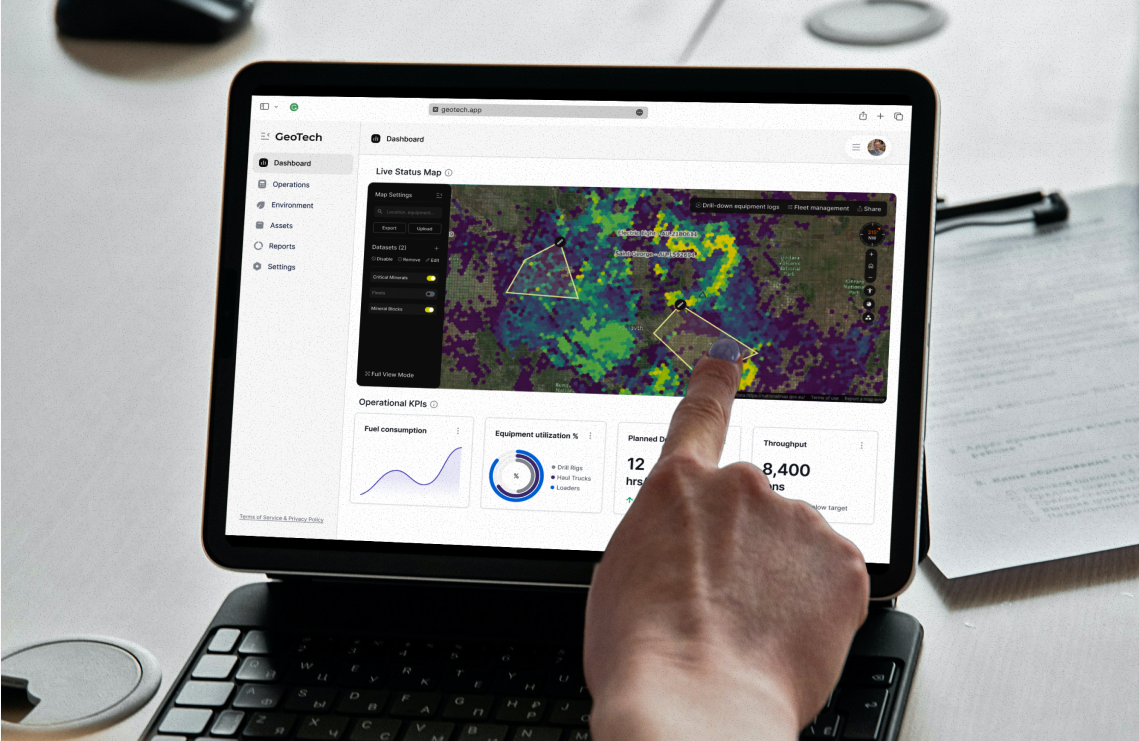
This was a challenging project due to its technical specifications. My main goals were to conduct stakeholder interviews, complete the project brief, define core functionalities in collaboration with the development team, and successfully launch the web application.
01
About the Platform
The project focuses on building an automated depth measurement platform for the mining, minerals, and civil engineering industries.
The goal is to design a product that combines advanced spatial analytics with a strategic design approach rooted in industry needs and design thinking principles.
02
Primary Market Research
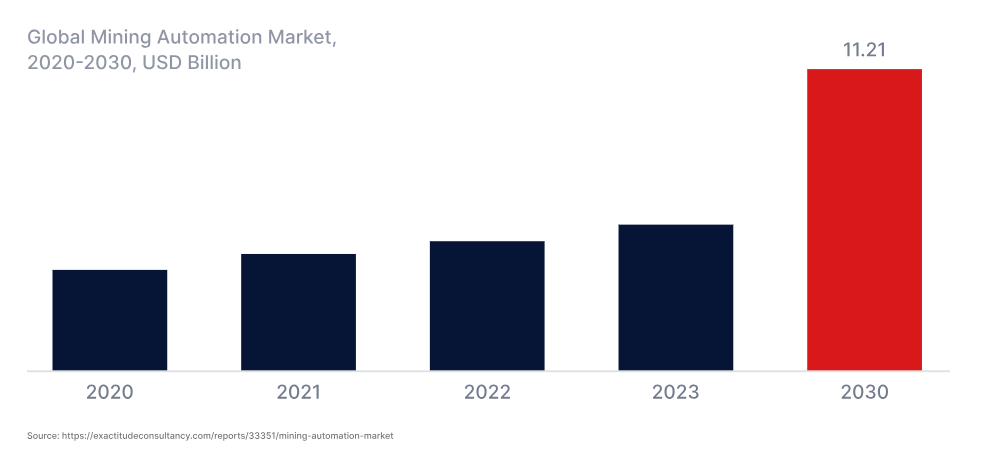
Mining Automation Market valued at USD 5.33 billion in 2023, projected to reach USD 11.21 billion by 2030, growing at a CAGR of 11.19%.
03
Primary Market Research
Market Segmentation Analysis
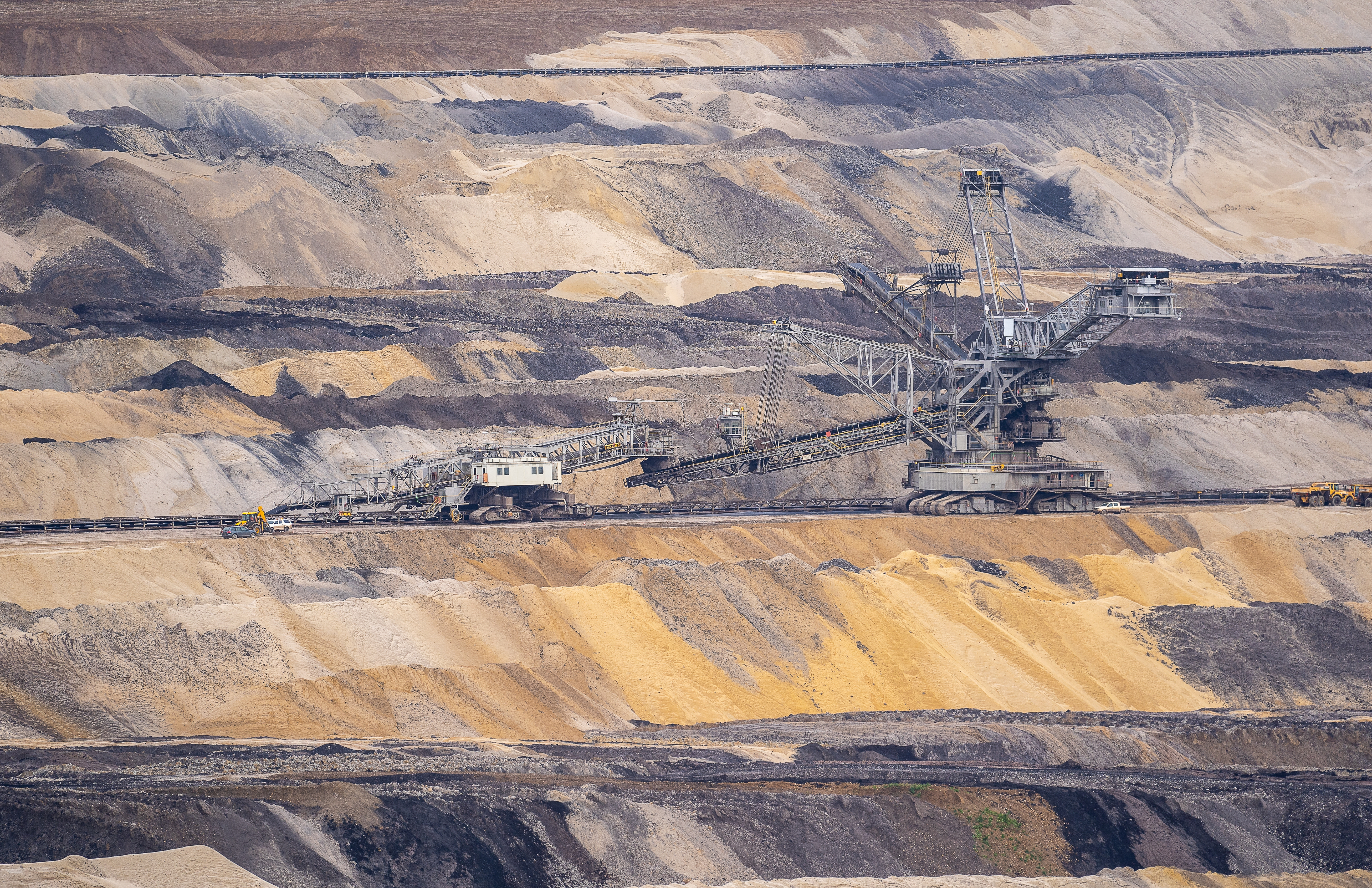
The global mining automation market is segmented into 5 key categories: automation type, equipment type, mining technique, application, and end-use. This segmentation helps identify specific market trends, assess growth potential in sub-segments.
Automation Type
Automation equipment such as autonomous vehicles and robotic machinery are transforming mine sites by enabling 24/7 operation, reducing downtime, and minimizing the risks associated with manual labor in hazardous environments.
Equipment Type
The mining automation market encompasses a wide range of automated machinery, including:1. Automated Excavators and Loaders;2. Robotic Trucks and Loaders;3. Automated Drilling Systems;4. Autonomous Haulage Systems;5. Automated Mine Planning and Management Systems.
Mining Technique
Based on mining techniques, the market is divided into surface mining and underground mining. The underground mining segment is currently leading the market. Automation technologies are particularly valuable in underground environments due to the inherent challenges and risks associated with confined spaces, unstable geological conditions, and limited ventilation. Remote-operated machinery and intelligent drilling systems are well-suited to overcome these hurdles while ensuring operational safety and efficiency.
By Application
Mining automation is applied across three major operational phases:1. Mine Development;2. Mine Maintenance;3. Mining Operations.
By End-Use
The end-use segmentation includes:1. Mineral Mines;2. Coal Mines;3. Metal Mines.
04
Problem Definition Statement
''Mining companies are not well-known as technological disruptors. But there is a mandate now to invest more in technology to come up with solutions to the challenges of today — from ESG to productivity to ways of lowering costs.''
Manuel Fernandes, KPMG in Brazil
05
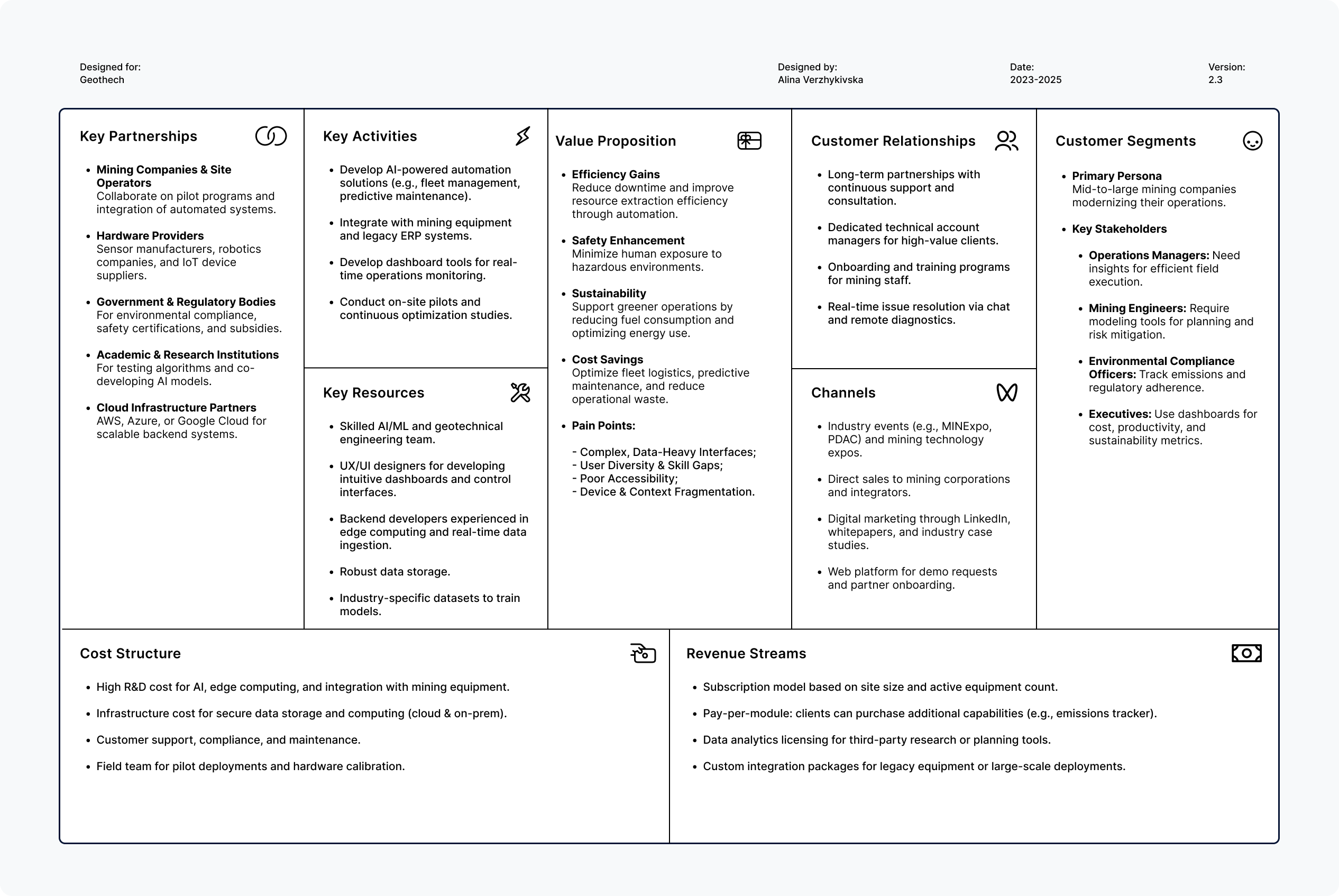
Business model canvas
06
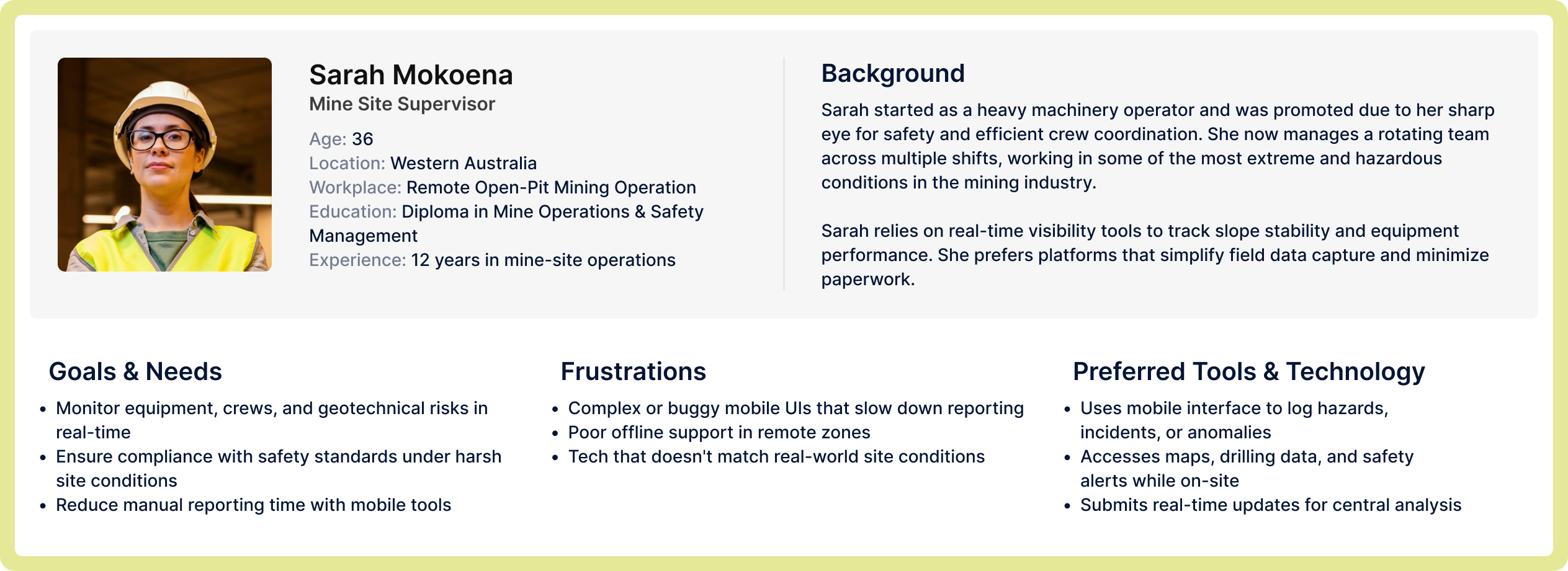
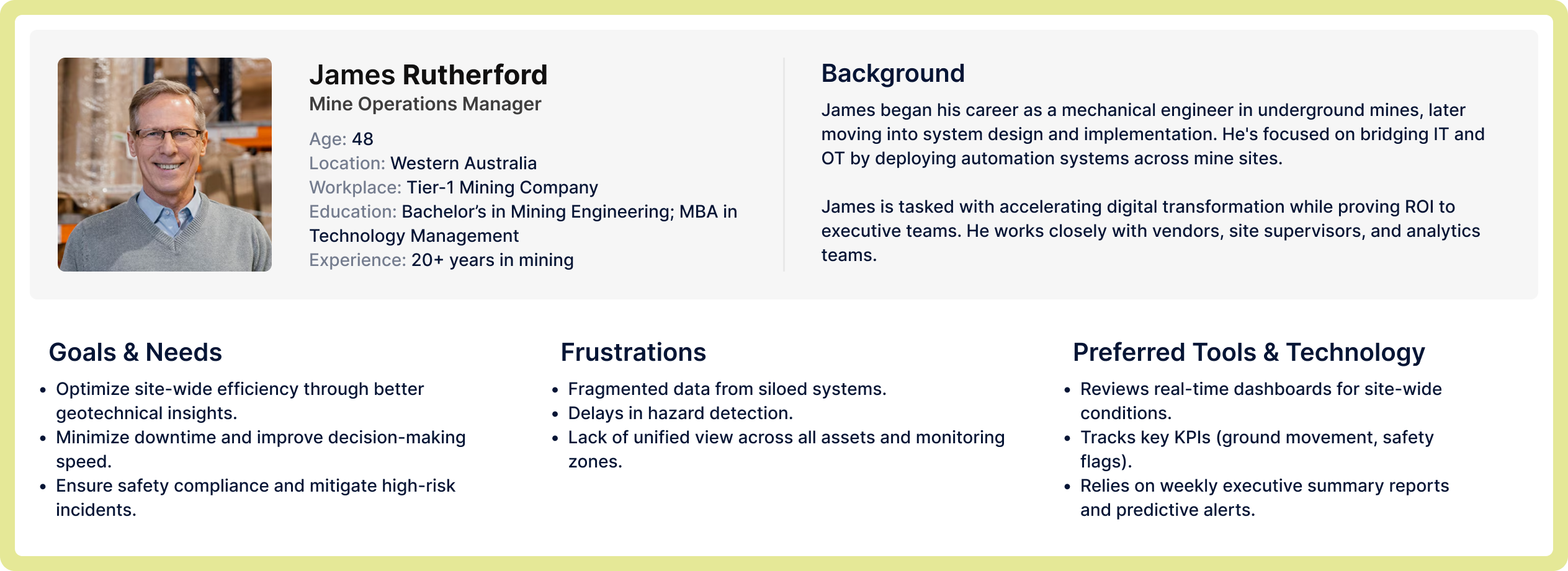
Customer persona definition
07
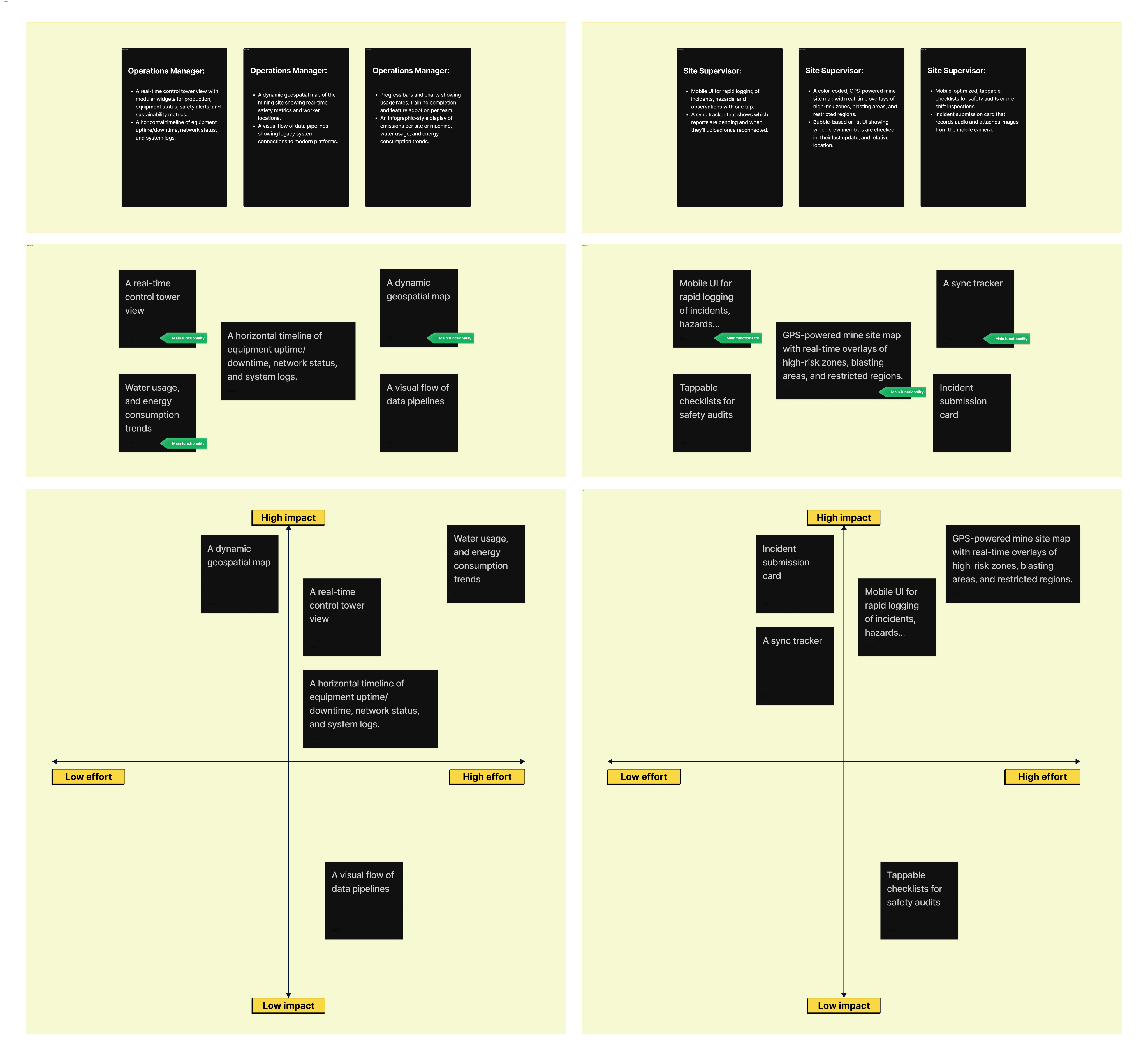
Ideation process
08
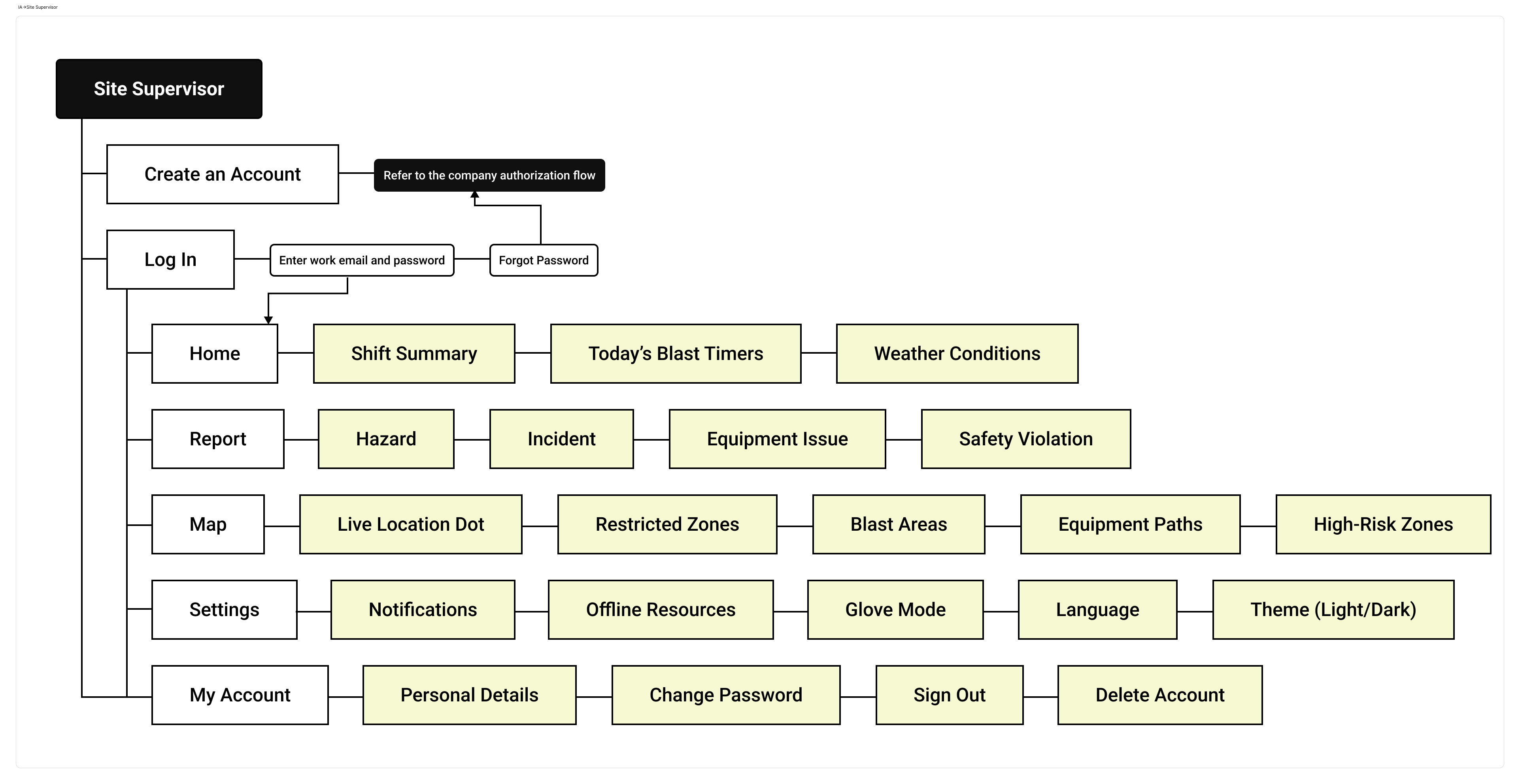
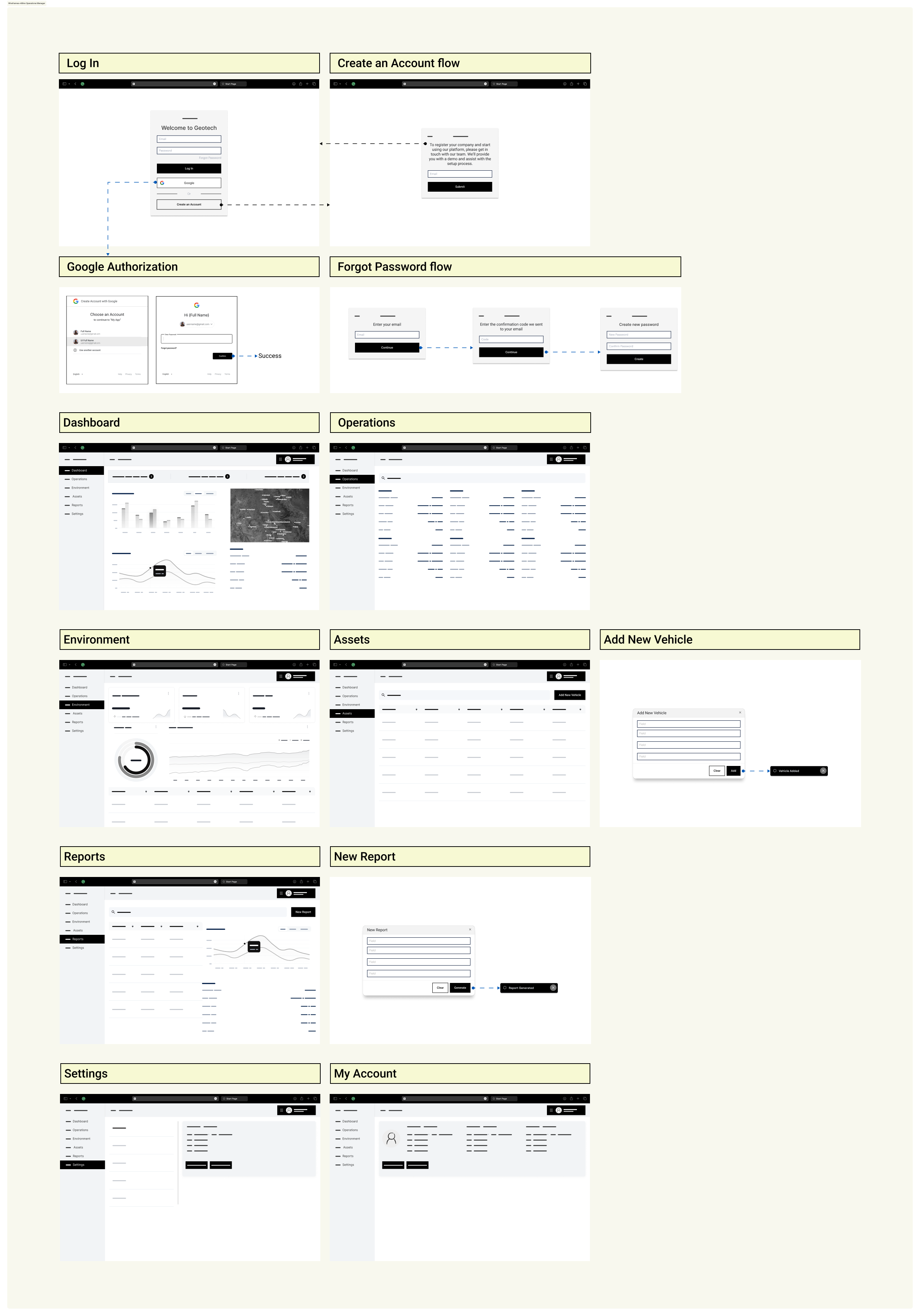
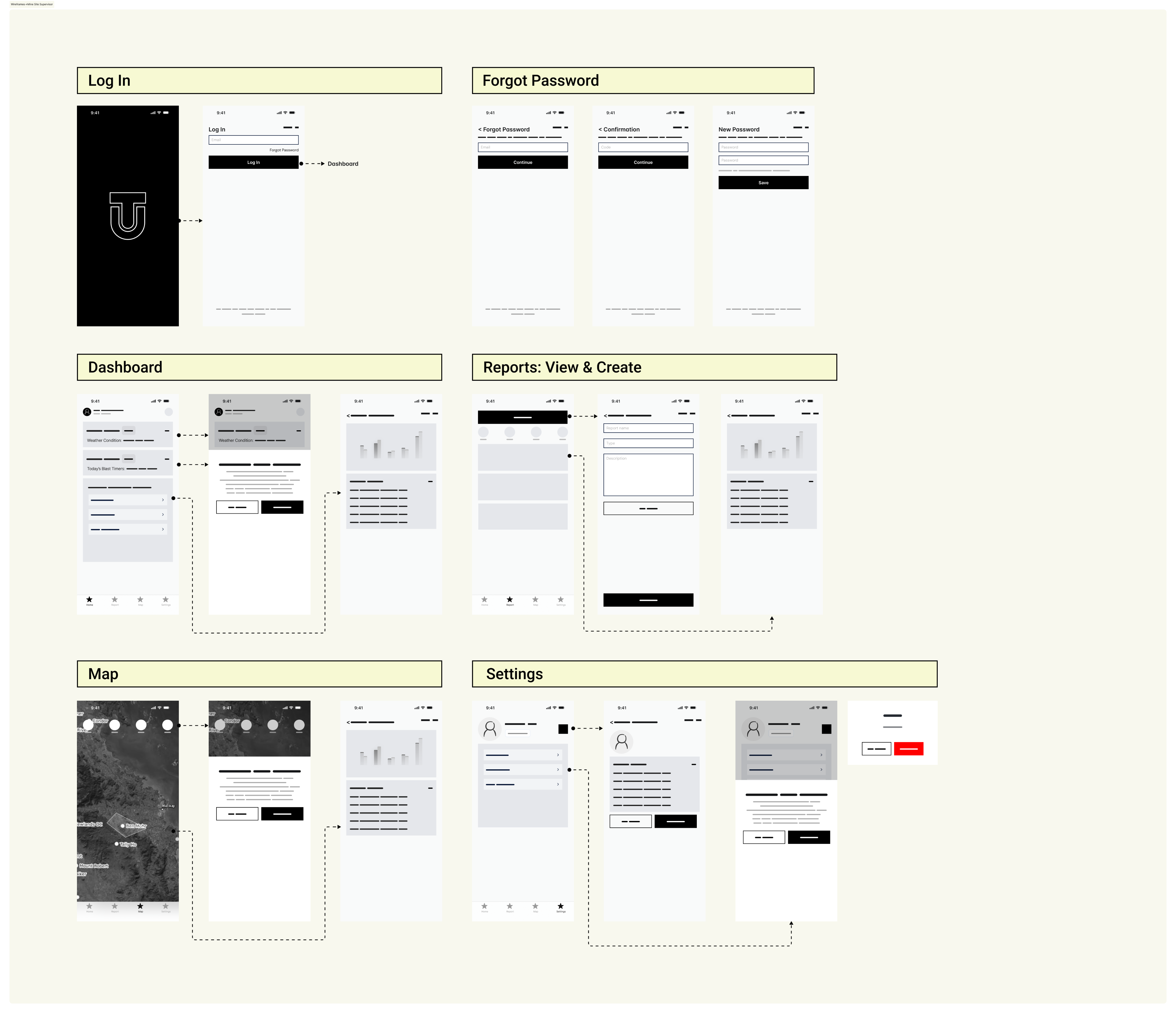
Information Architecture

09
Prototyping
Mine Operations Manager

Geospatial insight. Depth-level tracking.
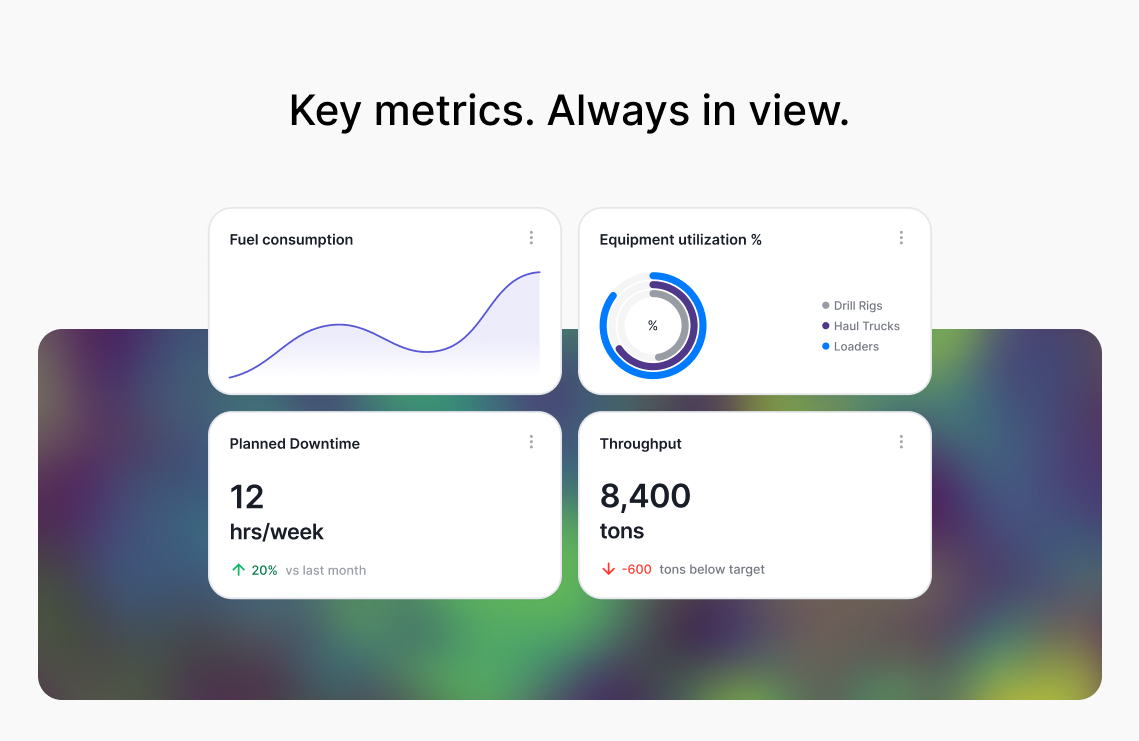
Key metrics. Always in view.

All Projects
@ Alina Verzhykivska 2025 | 0.26 CO2 per load
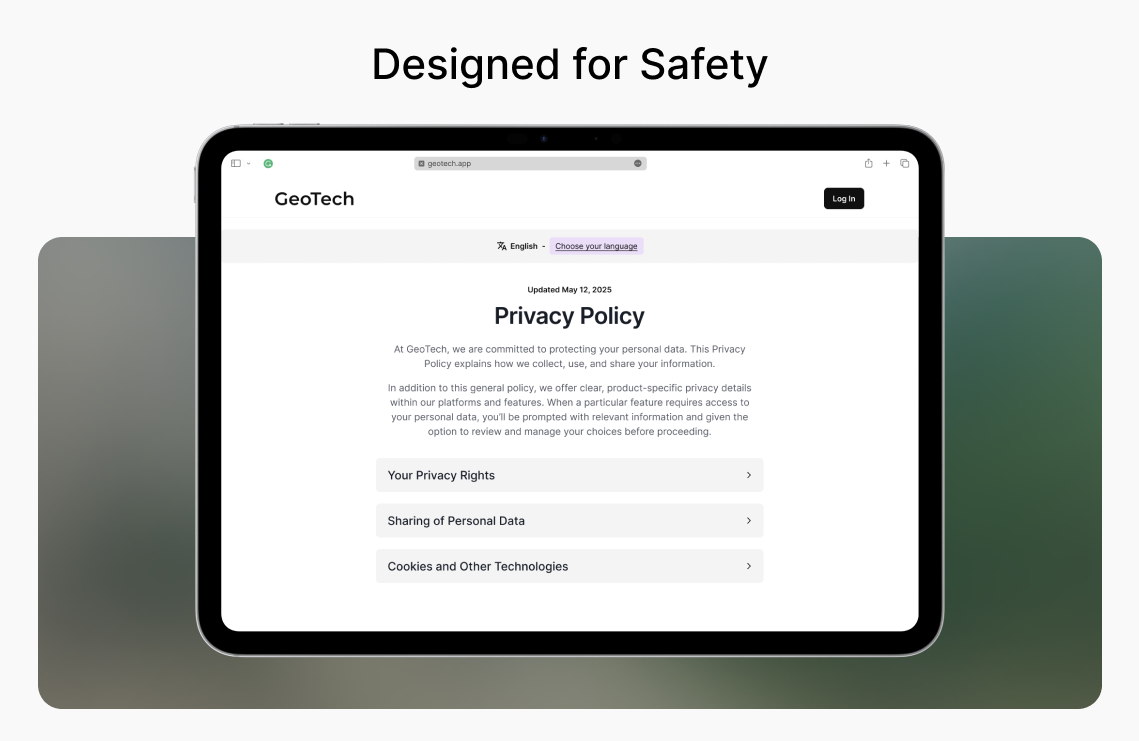
Privacy Policy
Industry 4.0
2024-2025
Automating depth measurement for mining and engineering
This was a challenging project due to its technical specifications. My main goals were to conduct stakeholder interviews, complete the project brief, define core functionalities in collaboration with the development team, and successfully launch the web application.
01
About the Platform
The project focuses on building an automated depth measurement platform for the mining, minerals, and civil engineering industries.
The goal is to design a product that combines advanced spatial analytics with a strategic design approach rooted in industry needs and design thinking principles.
02
Primary Market Research
Mining Automation Market valued at USD 5.33 billion in 2023, projected to reach USD 11.21 billion by 2030, growing at a CAGR of 11.19%.
03
Primary Market Research
Market Segmentation Analysis
The global mining automation market is segmented into 5 key categories: automation type, equipment type, mining technique, application, and end-use. This segmentation helps identify specific market trends, assess growth potential in sub-segments.
Automation Type
Automation equipment such as autonomous vehicles and robotic machinery are transforming mine sites by enabling 24/7 operation, reducing downtime, and minimizing the risks associated with manual labor in hazardous environments.
Equipment Type
The mining automation market encompasses a wide range of automated machinery, including:1. Automated Excavators and Loaders;2. Robotic Trucks and Loaders;3. Automated Drilling Systems;4. Autonomous Haulage Systems;5. Automated Mine Planning and Management Systems.
Mining Technique
Based on mining techniques, the market is divided into surface mining and underground mining. The underground mining segment is currently leading the market. Automation technologies are particularly valuable in underground environments due to the inherent challenges and risks associated with confined spaces, unstable geological conditions, and limited ventilation. Remote-operated machinery and intelligent drilling systems are well-suited to overcome these hurdles while ensuring operational safety and efficiency.
By Application
Mining automation is applied across three major operational phases:1. Mine Development;2. Mine Maintenance;3. Mining Operations.
By End-Use
The end-use segmentation includes:1. Mineral Mines;2. Coal Mines;3. Metal Mines.
04
Problem Definition Statement
''Mining companies are not well-known as technological disruptors. But there is a mandate now to invest more in technology to come up with solutions to the challenges of today — from ESG to productivity to ways of lowering costs.''
Manuel Fernandes, KPMG in Brazil
05
Business model canvas
06
Customer persona definition
07
Ideation process
08
Information Architecture
09
Prototyping
Mine Operations Manager
Geospatial insight. Depth-level tracking.
Key metrics. Always in view.
All Projects
@ Alina Verzhykivska 2025 | 0.26 CO2 per load
Privacy Policy
Industry 4.0
2024-2025
Automating depth measurement for mining and engineering
This was a challenging project due to its technical specifications. My main goals were to conduct stakeholder interviews, complete the project brief, define core functionalities in collaboration with the development team, and successfully launch the web application.
01
About the Platform
The project focuses on building an automated depth measurement platform for the mining, minerals, and civil engineering industries.
The goal is to design a product that combines advanced spatial analytics with a strategic design approach rooted in industry needs and design thinking principles.
02
Primary Market Research
Mining Automation Market valued at USD 5.33 billion in 2023, projected to reach USD 11.21 billion by 2030, growing at a CAGR of 11.19%.
03
Primary Market Research
Market Segmentation Analysis
The global mining automation market is segmented into 5 key categories: automation type, equipment type, mining technique, application, and end-use. This segmentation helps identify specific market trends, assess growth potential in sub-segments.
Automation Type
Automation equipment such as autonomous vehicles and robotic machinery are transforming mine sites by enabling 24/7 operation, reducing downtime, and minimizing the risks associated with manual labor in hazardous environments.
Equipment Type
The mining automation market encompasses a wide range of automated machinery, including:1. Automated Excavators and Loaders;2. Robotic Trucks and Loaders;3. Automated Drilling Systems;4. Autonomous Haulage Systems;5. Automated Mine Planning and Management Systems.
Mining Technique
Based on mining techniques, the market is divided into surface mining and underground mining. The underground mining segment is currently leading the market. Automation technologies are particularly valuable in underground environments due to the inherent challenges and risks associated with confined spaces, unstable geological conditions, and limited ventilation. Remote-operated machinery and intelligent drilling systems are well-suited to overcome these hurdles while ensuring operational safety and efficiency.
By Application
Mining automation is applied across three major operational phases:1. Mine Development;2. Mine Maintenance;3. Mining Operations.
By End-Use
The end-use segmentation includes:1. Mineral Mines;2. Coal Mines;3. Metal Mines.
04
Problem Definition Statement
''Mining companies are not well-known as technological disruptors. But there is a mandate now to invest more in technology to come up with solutions to the challenges of today — from ESG to productivity to ways of lowering costs.''
Manuel Fernandes, KPMG in Brazil
05
Business model canvas
06
Customer persona definition
07
Ideation process
08
Information Architecture
09
Prototyping
Mine Operations Manager
Geospatial insight. Depth-level tracking.
Key metrics. Always in view.
All Projects
@ Alina Verzhykivska 2025 | 0.26 CO2 per load