
May 21, 2025
Case Study
Spain vs. Self-Checkouts
Why Spanish shoppers still prefer people over self-checkouts.

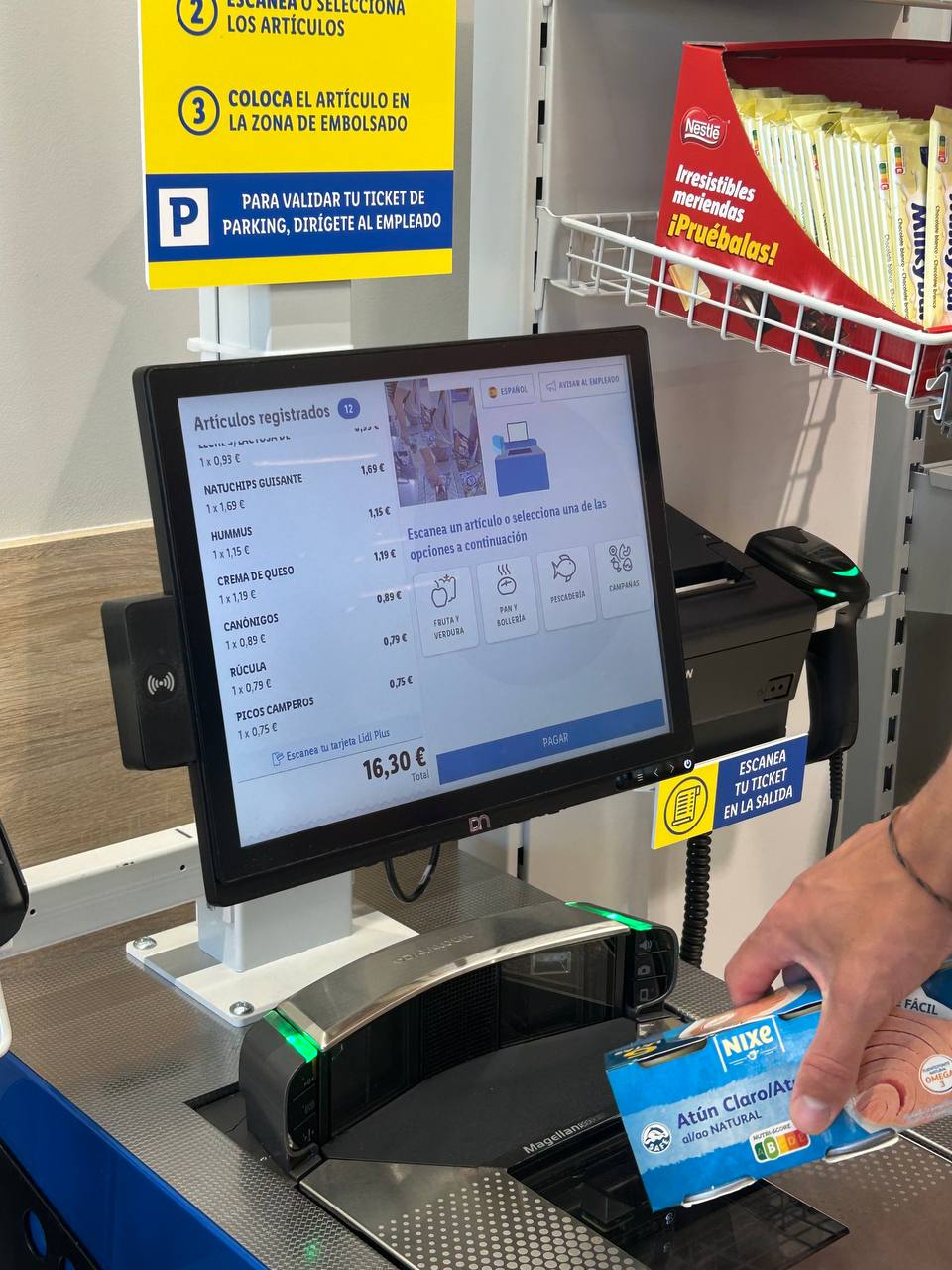
Scanning my groceries at the new self-checkout in Andalucía, Spain.

I know self-checkout points aren't impressive on their own, but in this case, I’ll explore the mental models of Spanish consumers and explain why people are reluctant to use this so-called 'human-development machine'.
Certain analytics data
Approximately 30% of Spaniards currently use or express a preference for self-checkout solutions due to Payment Innovation Hub. Despite this, traditional manned checkouts remain the preferred option for 52% of Spanish consumers .
The primary advantages cited by users include reduced waiting times and faster checkout processes, with 49% and 48% of respondents, respectively, highlighting these factors .
But why is the adoption rate so low?
I asked myself this question before I started diving into the Spanish people's mentality. Based on my personal observations and thoughts, I can highlight the main reasons for this:
- The culture. We can end here because, for me, this factor has a huge impact: people often prefer a more personal, social shopping experience. They value interaction with staff for help, recommendations, or just human connection, which makes traditional checkouts more appealing. Many times, people have approached me to ask questions like, “Is this tuna on sale or a different one?” or similar. For example, when I bought a pineapple, a Spaniard came up to me wanting to connect. That kind of interaction shows you’re open to new friends and connections (see the pineapple challenge).
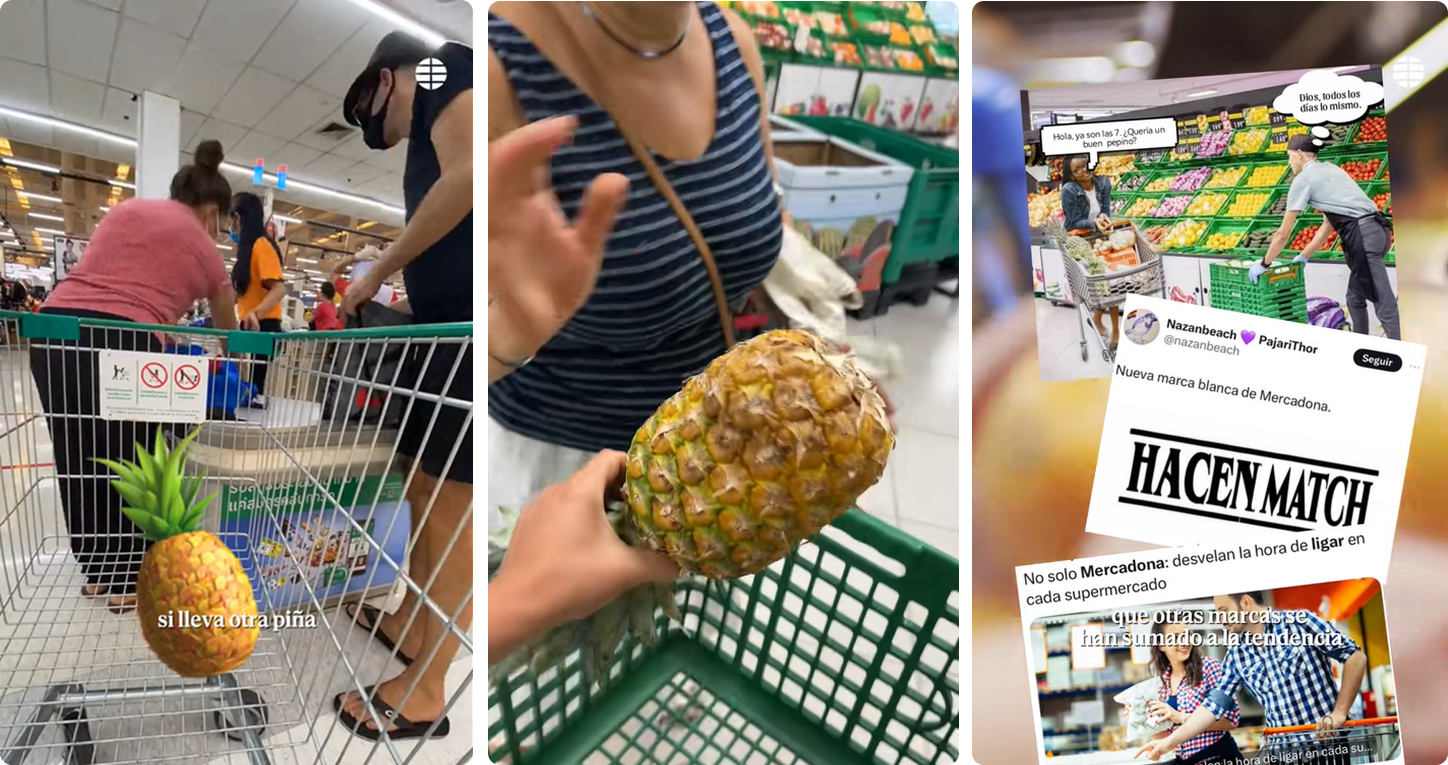
Screens from TikTok videos
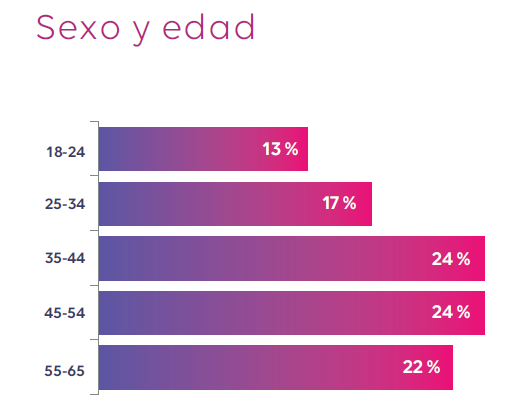
- Familiarity. Many consumers may feel more comfortable and confident with a cashier handling the checkout, especially older generations who are less familiar with technology. According to the research I previously mentioned, age is also a key factor: the primary users of traditional checkout points are between 35 and 54 years old. When I use the self-checkout, I usually see people around my age (20–30) or tourists. Often, a cashier will come over to see what you're doing and check if you need help or just want to chat. It's quite interesting.
- Retailer implementation pace. Spanish supermarkets are adopting self-checkout more cautiously and in fewer locations than some other European markets, limiting exposure and convenience. That’s the outcome of the mental model of Spanish people, and popular supermarkets like Lidl don’t have many self-checkout points. I’ve lived in 4 different cities over the past year and encountered a self-checkout point only once. One major challenge here is the lack of consistent availability, which slows down habit formation and consumer trust. When shoppers don’t see or experience self-checkout regularly, it doesn’t become a natural option.
Future adoption in Spain
Among the most promising self-service solutions identified by respondents for future adoption in Spain are:
Smart shopping carts with no fixed checkout point – Current awareness: 17% – Willingness to use in the future: 37%
Fully automated checkout systems – Current awareness: 20% – Willingness to use in the future: 36%
From the retailer’s side, these innovations aren’t about speeding up the payment and pickup process — that’s a way to bring something extra to the physical store experience, which is important when competing with the ease of online shopping.
These self-checkout and service innovations could improve both customer experience and sales by introducing added value such as:
Cross-selling opportunities, using dynamic and engaging product videos.
Gamified shopping experiences and new types of loyalty incentives.
Conclusion
Looking ahead, the retail landscape in Spain will likely feature hybrid payment models, where various checkout options coexist within the same store. This flexibility will empower shoppers to choose the method that best fits their preferences. However, fully self-checkouts are rare, and I realize why — conversations between people are often more enjoyable than checking out with a machine!
If you’re reading this line, I really appreciate you taking the time to read it. You can subscribe to my Substack to stay updated with my new texts!
Let’s Go!

@ Alina Verzhykivska 2025 | 0.26 CO2 per load
Privacy Policy
May 21, 2025
Case Study
Spain vs. Self-Checkouts
Why Spanish shoppers still prefer people over self-checkouts.

Scanning my groceries at the new self-checkout in Andalucía, Spain.

I know self-checkout points aren't impressive on their own, but in this case, I’ll explore the mental models of Spanish consumers and explain why people are reluctant to use this so-called 'human-development machine'.
Certain analytics data
Approximately 30% of Spaniards currently use or express a preference for self-checkout solutions due to Payment Innovation Hub. Despite this, traditional manned checkouts remain the preferred option for 52% of Spanish consumers .
The primary advantages cited by users include reduced waiting times and faster checkout processes, with 49% and 48% of respondents, respectively, highlighting these factors .
But why is the adoption rate so low?
I asked myself this question before I started diving into the Spanish people's mentality. Based on my personal observations and thoughts, I can highlight the main reasons for this:
- The culture. We can end here because, for me, this factor has a huge impact: people often prefer a more personal, social shopping experience. They value interaction with staff for help, recommendations, or just human connection, which makes traditional checkouts more appealing. Many times, people have approached me to ask questions like, “Is this tuna on sale or a different one?” or similar. For example, when I bought a pineapple, a Spaniard came up to me wanting to connect. That kind of interaction shows you’re open to new friends and connections (see the pineapple challenge).
Screens from TikTok videos
- Familiarity. Many consumers may feel more comfortable and confident with a cashier handling the checkout, especially older generations who are less familiar with technology. According to the research I previously mentioned, age is also a key factor: the primary users of traditional checkout points are between 35 and 54 years old. When I use the self-checkout, I usually see people around my age (20–30) or tourists. Often, a cashier will come over to see what you're doing and check if you need help or just want to chat. It's quite interesting.
- Retailer implementation pace. Spanish supermarkets are adopting self-checkout more cautiously and in fewer locations than some other European markets, limiting exposure and convenience. That’s the outcome of the mental model of Spanish people, and popular supermarkets like Lidl don’t have many self-checkout points. I’ve lived in 4 different cities over the past year and encountered a self-checkout point only once. One major challenge here is the lack of consistent availability, which slows down habit formation and consumer trust. When shoppers don’t see or experience self-checkout regularly, it doesn’t become a natural option.
Future adoption in Spain
Among the most promising self-service solutions identified by respondents for future adoption in Spain are:
Smart shopping carts with no fixed checkout point – Current awareness: 17% – Willingness to use in the future: 37%
Fully automated checkout systems – Current awareness: 20% – Willingness to use in the future: 36%
From the retailer’s side, these innovations aren’t about speeding up the payment and pickup process — that’s a way to bring something extra to the physical store experience, which is important when competing with the ease of online shopping.
These self-checkout and service innovations could improve both customer experience and sales by introducing added value such as:
Cross-selling opportunities, using dynamic and engaging product videos.
Gamified shopping experiences and new types of loyalty incentives.
Conclusion
Looking ahead, the retail landscape in Spain will likely feature hybrid payment models, where various checkout options coexist within the same store. This flexibility will empower shoppers to choose the method that best fits their preferences. However, fully self-checkouts are rare, and I realize why — conversations between people are often more enjoyable than checking out with a machine!
If you’re reading this line, I really appreciate you taking the time to read it. You can subscribe to my Substack to stay updated with my new texts!
Let’s Go!
@ Alina Verzhykivska 2025 | 0.26 CO2 per load
Privacy Policy
May 21, 2025
Case Study
Spain vs. Self-Checkouts
Why Spanish shoppers still prefer people over self-checkouts.

Scanning my groceries at the new self-checkout in Andalucía, Spain.

I know self-checkout points aren't impressive on their own, but in this case, I’ll explore the mental models of Spanish consumers and explain why people are reluctant to use this so-called 'human-development machine'.
Certain analytics data
Approximately 30% of Spaniards currently use or express a preference for self-checkout solutions due to Payment Innovation Hub. Despite this, traditional manned checkouts remain the preferred option for 52% of Spanish consumers .
The primary advantages cited by users include reduced waiting times and faster checkout processes, with 49% and 48% of respondents, respectively, highlighting these factors .
But why is the adoption rate so low?
I asked myself this question before I started diving into the Spanish people's mentality. Based on my personal observations and thoughts, I can highlight the main reasons for this:
- The culture. We can end here because, for me, this factor has a huge impact: people often prefer a more personal, social shopping experience. They value interaction with staff for help, recommendations, or just human connection, which makes traditional checkouts more appealing. Many times, people have approached me to ask questions like, “Is this tuna on sale or a different one?” or similar. For example, when I bought a pineapple, a Spaniard came up to me wanting to connect. That kind of interaction shows you’re open to new friends and connections (see the pineapple challenge).
Screens from TikTok videos
- Familiarity. Many consumers may feel more comfortable and confident with a cashier handling the checkout, especially older generations who are less familiar with technology. According to the research I previously mentioned, age is also a key factor: the primary users of traditional checkout points are between 35 and 54 years old. When I use the self-checkout, I usually see people around my age (20–30) or tourists. Often, a cashier will come over to see what you're doing and check if you need help or just want to chat. It's quite interesting.
- Retailer implementation pace. Spanish supermarkets are adopting self-checkout more cautiously and in fewer locations than some other European markets, limiting exposure and convenience. That’s the outcome of the mental model of Spanish people, and popular supermarkets like Lidl don’t have many self-checkout points. I’ve lived in 4 different cities over the past year and encountered a self-checkout point only once. One major challenge here is the lack of consistent availability, which slows down habit formation and consumer trust. When shoppers don’t see or experience self-checkout regularly, it doesn’t become a natural option.
Future adoption in Spain
Among the most promising self-service solutions identified by respondents for future adoption in Spain are:
Smart shopping carts with no fixed checkout point – Current awareness: 17% – Willingness to use in the future: 37%
Fully automated checkout systems – Current awareness: 20% – Willingness to use in the future: 36%
From the retailer’s side, these innovations aren’t about speeding up the payment and pickup process — that’s a way to bring something extra to the physical store experience, which is important when competing with the ease of online shopping.
These self-checkout and service innovations could improve both customer experience and sales by introducing added value such as:
Cross-selling opportunities, using dynamic and engaging product videos.
Gamified shopping experiences and new types of loyalty incentives.
Conclusion
Looking ahead, the retail landscape in Spain will likely feature hybrid payment models, where various checkout options coexist within the same store. This flexibility will empower shoppers to choose the method that best fits their preferences. However, fully self-checkouts are rare, and I realize why — conversations between people are often more enjoyable than checking out with a machine!
If you’re reading this line, I really appreciate you taking the time to read it. You can subscribe to my Substack to stay updated with my new texts!
Let’s Go!
@ Alina Verzhykivska 2025 | 0.26 CO2 per load